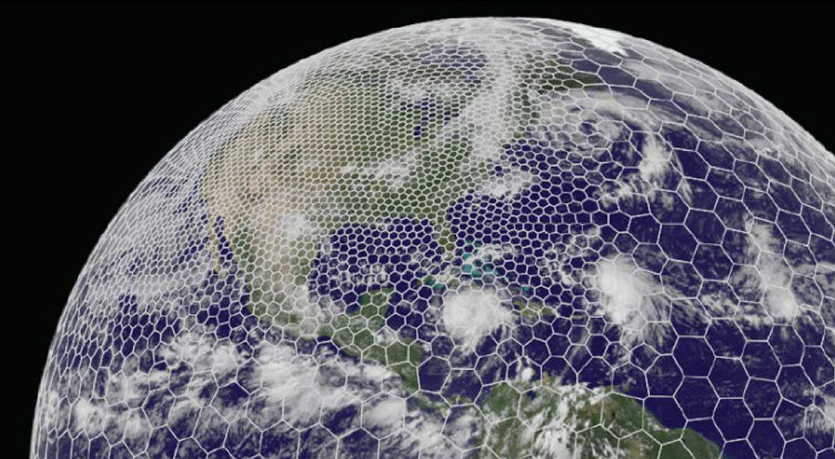
The latest GRAF® weather model improvements
Continue reading

Can’t see you. Can’t shoot you.
Here I am in the mountains, climbing up. The rain just comes down. All of a sudden we can’t see. The radar can’t see. There’s a lot of turbulence. I’m having trouble just staying on the controls. I’ve got spatial disorientation. So you feel like you’re tipping end-over-end and side-to-side all at the same time. We are exchanging the controls back and forth about every 30 seconds because that’s all we can tolerate. You’ve got to trust the instruments. You’ve got to trust what you’re doing. Otherwise, you know, I wouldn’t be sitting here talking about it.
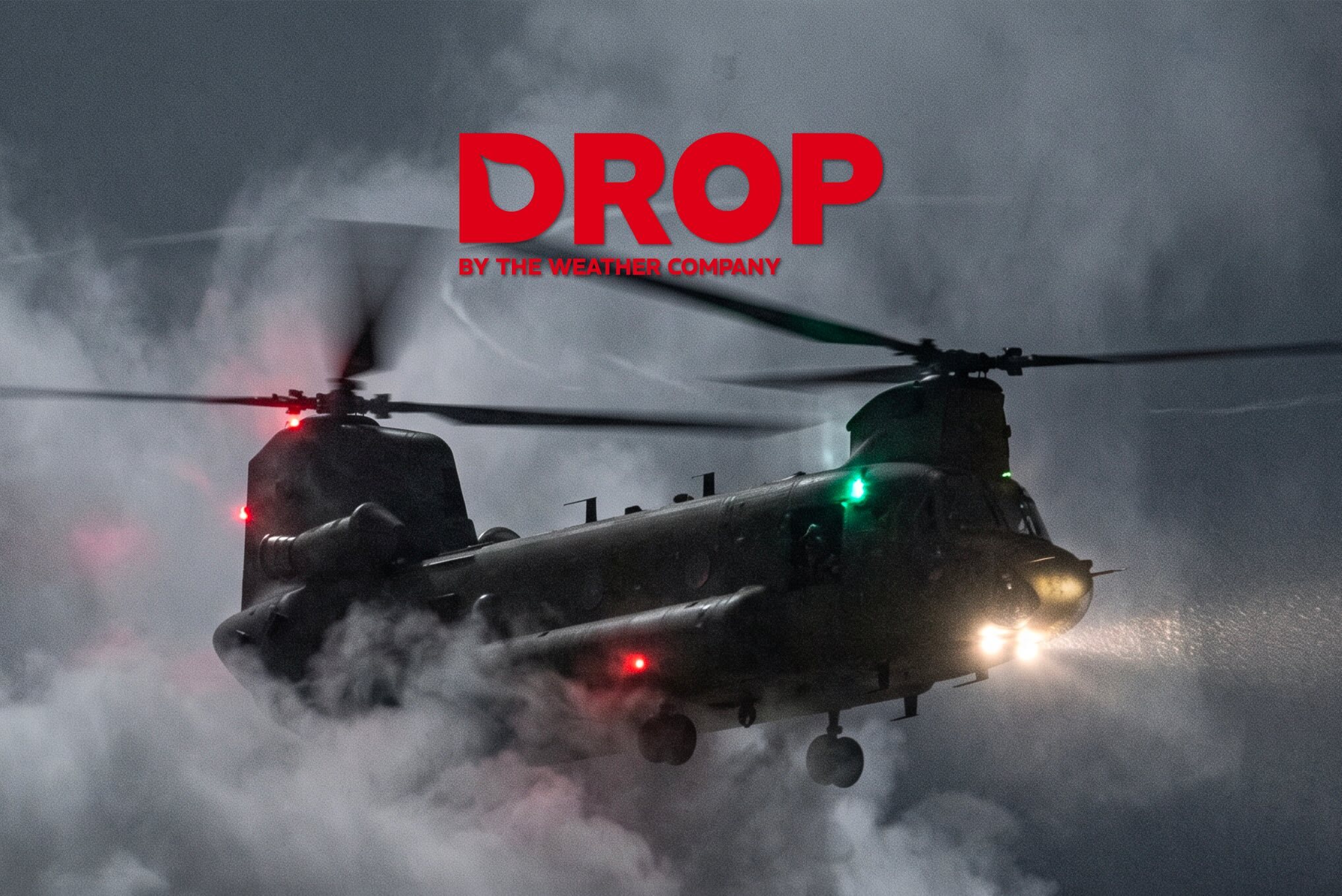
You know, in aviation, military aviation in particular, we have what’s called a probable kill ratio. So, for example, a Stinger missile may have a 99% probable kill on a Chinook helicopter with no countermeasures, no tactics. Terrain and weather, we say that the ground has a PK of 100%. Rain that you can’t see through, fog, snow, you know, can really be a challenge, you know, and these are all things that the weather can really affect.
And a lot of times planning is the key. Like understanding where the weather phenomena are, how they affect your particular aircraft or mission. You know, because the aircraft might be able to get somewhere based on the equipment that’s inside. But once you get there, can you do the mission?
I refer constantly back to the early 2001 timeframe right after 9/11, and our responsibility is to fly Special Forces teams or ODAs—ODA 595, later known as the Horse Soldiers, into Afghanistan, to link them up with what we call the Northern Alliance. And then they would, you know, help them to fight the Taliban. And once the Taliban is diminished, we can get to Osama Bin Laden.
And we originally were supposed to have two aircraft to take the 12-man team into Afghanistan, and one of the aircraft was drawn off on a separate mission, leaving me with one Chinook and the entire team. So we stripped the aircraft of armor to save weight. We had to do air refueling on the way in and the way out, which we normally did not like to do.
And almost immediately we cannot see out the window. And the weather forecast was supposed to be decent and I should be able to see 10–20 miles. And I can’t see the tip of the refueling probe, which is only about 19 feet long. So I’ve got the battalion commander, colonel, in my jump seat. He’s sitting, you know, about half a foot behind me and his knees are up against my thigh and he’s like, “Al, what do you want to do?” And I said, “Oh, sir, we just,” I said, “We TF.” So TF is Terrain Following radar. And the colonel said, “Yes, do it.” What I didn’t know was the Secretary of Defense had called earlier and told them to get in no matter what.
And we’re flying along. You can’t see outside. We’re approaching the mountains now, and we make our first turn into the mountains. And we had not planned on using the radar for this. And the radar sees about 10–20 miles ahead. And if you’re going to turn into the terrain, it’s going to see a mountain you plan on not going over. And it gives you what’s called a full climb command. I’m not expecting this climb command. So now I’m trying to figure out what’s going on.
And then the radar reboots on its own, and then it just goes, pfft. If you look straight up through the what we call the eyebrow light window, you can see stars, but below us to our front and just above where we need to see, can’t see anything. So I’m, you know, pulling circuit breakers and resetting things. And we get it back and I start cycling through the map displays to see what are we commanding off of. And I see, oh, there’s a, you know, 12–13,000 foot mountain in front of us. So we just turned the aircraft slightly to the right. The radar lets us down, we go around it and off we go.
Now I still got to get to the target. We come over the final ridgeline, we’re still in the clouds on the radar, and we can’t go past the landing area because there’s an anti-aircraft gun on the other side of a little nub, a little hill. If he sees me, he’s going to turn us into Swiss cheese.
You know, I talk about sometimes using the weather to your advantage. They can hear you, they know you’re there. That’s fine. But if they can’t see you, they can’t shoot you. And we’re expecting what’s called a brownout landing, a loss of visual reference. So we know that when we come in and we pull power to cushion to stop the descent, the rotor wash is going to roil up this cloud of dust.
So my copilot is doing that. Except I can feel that we’re drifting backwards, right. This is me feeling it. And I look at the hover symbology and we are indeed going backwards. And we’re only about 10 feet off the ground. And about that time I feel the aft gear touch the ground as we’re backing up. And I pushed down on the power, so the forward gear comes down and land, we stop, the dust kind of settles, and we’re surrounded by Afghan forces, right. And at the time, you didn’t know these Taliban, are they Northern Alliance, you can only go with what you were told. And these are supposed to be friendlies.
And as the dust went down, we lowered the ramp. Ground Force gets out, the SF team, they meet up with the leader and he looks back, gives me a thumbs up. I’m like, all right, they’re good. So we take off and we retrace our steps doing the same thing.
And then we did that. Unlike in the movie, we did it night, after night, after night, with new teams, and each time we learned a little lesson about the terrain and weather that really over the next 10–15 years, those initial missions and the weather we encountered set the tone for the fight.
Let's talk
To learn more about our integrated weather planning, visualization, and execution platform for government and defense, contact our experts today.
Contact us