
Weather intelligence for the future: Crafting a strategic enterprise approach to changing environmental conditions
Continue reading

Key takeaways
- Supply chain weather risk is growing due to climate volatility, forcing businesses to rethink logistics and resilience strategies.
- Companies are adopting AI weather models and weather data applications to improve forecasting and reduce costly weather-driven disruptions.
- Weather API integration and severe weather API services provide real-time insights that can help prevent supply chain delays.
Editor’s note: All data sourced from the Weather Means Business report, October 2024, Magid for The Weather Company, unless otherwise noted.
Is your business ready for the new normal of extreme weather? Today’s supply chains face a growing, consistent threat from climate events that are more frequent and severe than ever before. Reacting to a crisis isn’t enough; future-proofing your operations with smart weather intelligence is now a necessity.
%
increase in weather disruption alerts YoY, according to Resilinc1
New research from The Weather Company’s Weather Means Business report makes it clear that businesses must increasingly incorporate weather data into their business intelligence strategies. Nearly 90% of executives say weather impacts their operations, and 92% plan to increase or maintain their use of weather intelligence. The ability to anticipate and respond to changing weather conditions – both severe and sunny – is no longer just about mitigating risk but creating competitive advantages.
Why businesses are investing in weather intelligence
Weather isn’t just a concern during extreme storms or severe seasonal shifts. Even sunny weather patterns influence supply chains, customer demand, and workforce planning. Businesses that harness weather intelligence can:
- Optimize supply chains by predicting disruptions and improving logistics efficiency.
- Increase revenue by aligning pricing, promotions, and inventory with weather-driven consumer behavior.
- Improve customer experience with more personalized, weather-responsive engagement.
- Reduce financial risk by preparing for weather-related disruptions before they occur.
The data supports this strategic shift. Companies that effectively leverage weather intelligence can achieve revenue increases of 5-10% and substantial reductions in operating costs. Businesses also use AI weather models to improve forecasting accuracy, helping them make faster, data-driven decisions in response to weather risks.
Here are the key ways businesses are leveraging weather data to build a more resilient and profitable future.
Industry-specific applications of weather intelligence
Weather intelligence is transforming industries with data-driven insights. Different industries apply it in various ways, including:
Retail & consumer goods
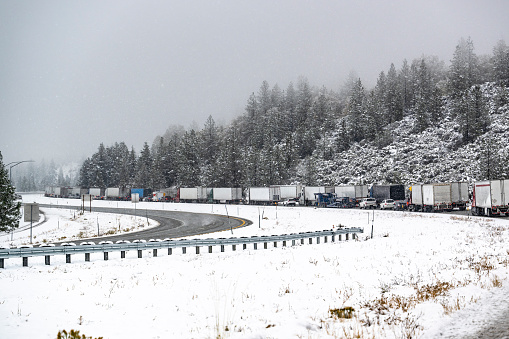
Retailers and consumer goods companies rely on weather intelligence to plan promotions, manage inventory, and optimize logistics. A sudden drop in temperature can trigger increased demand for winter clothing, while a heatwave can drive higher sales of cold beverages. By leveraging predictive weather data, companies can prepare for these shifts in advance, ensuring they have the right products available at the right time.
Many companies are now integrating weather data applications into their supply chain management and marketing strategies. These tools help businesses predict demand fluctuations, track product shipments, and minimize supply chain disruptions caused by severe weather.
Pharmaceutical & healthcare
 In the pharmaceutical industry, weather influences everything from manufacturing to distribution and patient care. Temperature-sensitive medications must be transported and stored under strict conditions, and extreme weather events can delay shipments. Hospitals and healthcare providers also need weather intelligence to manage staffing, patient transportation, and emergency preparedness.
As supply chain weather risks increase due to climate volatility, pharmaceutical companies are prioritizing predictive analytics to avoid disruptions and ensure the timely delivery of essential medicines.
Insurance & risk management
Insurance companies are adapting to rising climate-related risks by integrating weather intelligence into their underwriting, claims processing, and policy pricing. Real-time weather analytics can help insurers anticipate severe weather events, proactively communicate with policyholders, and speed up claims resolution. Using historical and predictive weather data, insurance providers can refine risk models and offer more competitive pricing.
Travel & tourism
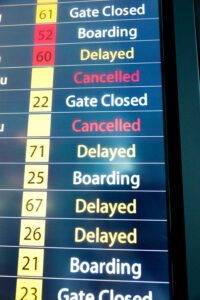 Weather conditions heavily influence the travel and tourism industry. Airlines, hotels, and travel agencies use weather intelligence to adjust schedules, reroute flights, and strengthen safety protocols. Delays due to storms or extreme heat can lead to costly disruptions. But companies anticipating these conditions can manage bookings more effectively and improve customer satisfaction.
Businesses in this sector also rely on weather intelligence to prepare for seasonal weather disruptions. By analyzing long-term climate trends, travel companies can adjust pricing, optimize staffing levels, and create promotional offers tailored to weather patterns in key travel destinations.
The Weather Company APIs: your strategic advantage
The business case for weather intelligence is clear, but how do you turn insight into action? The answer lies in leveraging the right tools. The Weather Company’s weather data APIs provide the powerful, comprehensive, and accurate weather data needed to operationalize weather intelligence across your business.
Our APIs are designed for seamless weather API integration, allowing you to embed real-time, historical, and forecast data directly into your existing supply chain management, logistics, and enterprise resource planning systems. This allows for:
- Proactive planning: Use our suite of forecast APIs to anticipate disruptions weeks or even months in advance. Our AI-driven models, including the Global High-Resolution Atmospheric Forecasting (GRAF) model, deliver unparalleled accuracy and resolution, helping you optimize inventory and logistics before a weather event.
- Real-time decision-making: With our Current Conditions, Severe Weather APIs, and Alerts APIs, you can get instant updates on severe weather and other impactful conditions. Real-time insights can help you adjust shipping routes, reroute fleets around hazardous conditions, and protect both assets and workforce safety.
- Data-driven optimization: Access decades of historical weather data through our APIs to analyze past trends, refine risk models, and inform long-term strategic decisions. A rich dataset like this helps you better understand the connection between weather and operational performance.
By integrating The Weather Company APIs, you can move beyond reactive measures and build a truly resilient, data-driven supply chain.
The business case for weather intelligence
Companies that fail to integrate weather intelligence into their strategies often operate reactively, responding to disruptions as they happen rather than preparing for them in advance. Such an approach leads to financial losses, inefficiencies, and missed opportunities.
By contrast, companies that embrace AI-driven weather insights can:
- Reduce operating costs by optimizing supply chain routes, avoiding delays, and minimizing waste.
- Enhance marketing effectiveness by aligning campaigns with weather-driven consumer behavior.
- Improve safety and compliance by making sure employees, assets, and operations are protected against weather risks.
The next step: Turning weather data into a business strategy
Executives who integrate weather insights into their business models are better positioned to drive growth, manage risk, and improve customer experiences. The latest research from The Weather Company breaks down how businesses across industries are using weather intelligence to gain a competitive advantage.
Download the full report today to explore real-world applications, industry-specific insights, and actionable strategies for integrating weather intelligence into your business.
Let's talk
Contact our experts today to discover how Weather Data APIs can empower your decision-making and strengthen your business resilience. Let us help you transform weather data into a strategic asset.
Contact usRelated resources




1 Resilinc, Global Supply Chains See Nearly 40% Increase in Disruptions, January 21, 2025
Key takeaways
- Scalable API architecture relies on standardized queries, smart caching, and user-driven data updates.
- The Weather Company APIs include built-in caching headers to optimize speed and reduce server load.
- API efficiency improves when data is requested based on user interaction rather than prefetching.
- Mobile applications benefit from shared data layers that limit duplicate API calls across experiences.
- Structured geocode formatting and reduced parameter variability increase cache hit rates at scale.
Note: This blog post is a general, illustrative guide and not a comprehensive implementation plan. Weather APIs may vary depending on use case, geography, or product configuration. For specific recommendations, The Weather Company is available to assist.
Modern applications must be fast, responsive, and cost-effective – especially as user demand grows. That challenge becomes more complex when real-time data like weather is involved. Developers need smart tools and strategies to maintain performance at scale. The Weather Company offers solutions built for growth and helping teams create a scalable API architecture to meets evolving demands.
Caching turns weather data into high-speed performance
Heavy traffic can slow down an application, especially if it relies on repeated API requests. The Weather Company addresses this with built-in caching mechanisms in every API. Each response includes headers with a Cache-Control → max-age=x seconds directive, clearly stating how long the data remains valid.
Take the Current Conditions API. Its max-age might be set to 600 seconds. That means the app can reuse the same data for up to 10 minutes without making another request. When your application hits a surge in users – say during a major storm – your cache absorbs much of that load, improving response time and lowering costs.
User-driven updates can improve scalable API architecture
Some applications try to predict what users need before they ask. But that often leads to wasted API calls. Responding only when users need new data can be a better method.
Consider lazy loading. If only half of a screen is visible, only that portion should request data. As the user scrolls, the rest can load incrementally. Analytics can also guide optimization. Watching how users interact with your app can help you decide what to prioritize in real time.
Weather data can also be updated for mobile use cases based on specific user behaviors – like a location change, a screen refresh, or an app wake state. Implementing event-driven logic keeps data timely and can minimize unnecessary traffic. The goal is to balance responsiveness with restraint, enhancing API efficiency without taxing backend infrastructure.
This approach can be particularly useful for developers building an API for mobile app environments. A mobile device can store one API response and share it across different parts of the app. A single call powers multiple user experiences, and that’s a huge step forward in performance.
Structured queries can reduce overhead without cutting features
Another tactic for a scalable API architecture is structuring queries in a consistent, efficient way. Even small changes in request formatting can lower cache effectiveness. That’s why The Weather Company recommends standardizing things like case sensitivity and precision.
For instance, when using geographic coordinates, rounding to two decimal places keeps requests uniform, which raises cache hit rates. In addition, The Weather Company actively rounds geographic coordinate API queries to two decimal places (~every 1.1 km) for our own caching purposes. This means additional precision beyond two decimal places is wasted efficiency and does not result in a higher resolution response.
Here’s a quick example:
A request to /v3/wx/observations/current? may not match a cached result for /v3/wx/observations/current?, even though the data payload would be identical. By reducing variability, developers improve cache utilization and speed up responses – especially at scale.
Less variation can mean more efficient server responses and better performance, even in large-scale deployments. That’s critical when your app may serve thousands, even millions, of users at once.
Scale in action
The Weather Company delivers scalable APIs proven in enterprise environments. Our APIs serve some of the world’s most widely used platforms, including weather.com and mobile apps that reach millions of devices per second. During critical events like hurricanes or major snowstorms, APIs automatically scale in real time to meet demand without breaking service. As the world’s most accurate forecaster,1 The Weather Company delivers the precision and reliability needed during high-impact events like hurricanes and snowstorms.
Scalability also extends into specialized domains. In aviation, The Weather Company provides live weather data for visualization tools that help guide decisions in the air and on the ground. These applications demand reliability, precision, and uninterrupted access, especially in fast-changing atmospheric conditions.
Other sectors rely on this same stability. In agriculture, for instance, real-time weather data feeds into irrigation planning and crop modeling. Even minor delays or inaccuracies can affect yields, making uptime and freshness of data essential.
The Weather Company API Integration Playbook
Get your copyBuilt for developers and decision-makers alike
The Weather Company supports a wide range of technical roles, offering tailored resources that help teams succeed at every stage of API implementation. Backend developers gain access to deep integration guides and robust error handling. Mobile developers benefit from caching documentation and versioning best practices. Meanwhile, product managers and business analysts can use usage metrics and competitive insights to align technical decisions with strategic goals.
For each persona, you’ll find a tailored mix of tools, from detailed documentation and pre-built connectors to API explorers. By understanding the distinct needs of each team member, we help empower developers to build scalable platforms that meet real-world demands.
Next steps for scalable design
Scalability depends on thoughtful choices that balance performance, cost, and user experience – not just backend capacity. We invite you to take the next step with The Weather Company APIs by reviewing our developer documentation or requesting a free API trial. With The Weather Company, developers can build resilient systems that can grow effortlessly alongside their audience. Whether you’re building for smartphones, the web, or the skies above, smart API strategy is the foundation of a seamless experience.
Let's talk
Contact our experts today to discover how Weather Data APIs can empower your decision-making and strengthen your business resilience. Let us help you transform weather data into a strategic asset.
Contact usRelated resources






1 ForecastWatch, Global and Regional Weather Forecast Accuracy Overview, 2021-2024, commissioned by The Weather Company
Key takeaways
- Weather-aware flight planning supports safer, more efficient operations – whether airlines choose flexible weather APIs or a full end-to-end solution.
- Integrate real-time weather intelligence into dispatch and flight planning workflows to streamline operations and reduce delays.
- Leverage weather APIs for turbulence alerts, en-route conditions, and surface forecasts customized to existing tools and systems.
- Reduce fuel costs and inefficiencies by avoiding holding patterns, unnecessary altitude changes, and excessive taxi time.
- Choose end-to-end platforms for faster deployment, centralized visibility, and integrated support for pilots, dispatchers, and planners.
In the aviation industry, success rests on a threefold commitment: providing uncompromising safety, maximizing aviation efficiency, and delivering a reliable passenger experience. Yet one variable – weather – remains the most powerful and persistent force challenging all three. Weather’s impact is felt far beyond a single flight plan. For example, clear-air turbulence can jeopardize passenger and crew safety, while convective storms snarl hub traffic and trigger cascading delays. This directly affects an airline’s bottom line, brand reputation, and its fundamental commitment to keeping everyone on board safe.
To navigate this challenge, leading airlines are no longer simply reacting to the forecast. They are building resilience by embedding advanced weather intelligence into the core of their operations. Proactive, weather-aware flight planning is the key to true flight optimization. It empowers airlines to strategically route around hazards, reduce costly delays, conserve fuel, and ultimately, enhance safety. This ability to transform data into decisive action is what separates the prepared from the disrupted, whether through granular APIs or end-to-end platforms. With the right data intelligence from the world’s most accurate forecaster¹ airlines can master the variable of weather and deliver on their promise of safe, dependable travel.
The role of accurate forecasts in modern aviation efficiency
Weather influences every takeoff, landing, and flight path, making it a critical factor in flight scheduling and operations.
%
of flight delays exceeding 15 minutes are caused by weather-related issues2
Severe weather delays can cause a cascading effect that impacts flights across an airline’s entire network. A storm at a major hub, for example, can lead to widespread rerouting, congestion, and missed connections. These disruptions frustrate both passengers and airline crews.
Adverse conditions don’t just affect scheduling. They also lead to increased fuel burn, additional holding patterns, and greater operational strain. Jet fuel is expected to account for 26.4% of global airline operating costs in 2025.³ Inefficient operations caused by weather, such as extended taxiing and holding, add significantly to these costs.
Carrying unused fuel also adds significant weight and cost to flights. One study shows that 4.48% of total fuel consumption comes from carrying extra fuel that is never used. This cost a major U.S. airline an estimated $230 million annually.⁴ By using predictive weather analytics – a core component of modern aviation weather solutions – airlines can plan more precise fuel loads. This reduces excess weight without compromising safety.
By integrating advanced weather data and intelligence tools from The Weather Company, airlines can be better prepared to:
- Reduce unplanned altitude changes and route deviations to improve fuel efficiency.
- Avoid holding patterns by slowing down impacted flights enroute or by delaying pushback.
- Optimize ground operations, minimizing fuel waste from excessive taxi times and tarmac congestion.
Enhancing passenger experience through weather-aware planning
Beyond aviation efficiency gains, weather-aware planning directly contributes to passenger satisfaction and safety. Turbulence is one of the leading causes of in-flight injuries. In fact, 79% of serious turbulence-related incidents affect cabin crew.⁵ Advanced turbulence prediction tools, powered by superior weather data, help pilots avoid rough air. This leads to a smoother and safer travel experience.
Wind shear and fog are also major concerns during takeoff and landing. Wind shear, a sudden change in wind speed or direction, poses significant risks during these critical flight phases. Similarly, dense fog reduces visibility and frequently causes delays. By integrating high-resolution weather data, airlines can make smarter go/no-go decisions and reduce last-minute diversions.
Thunderstorms, tropical cyclones, and winter storms all pose significant threats to aviation. While thunderstorms cause intense, often localized, disruptions, winter storms and hurricanes bring more extended and geographically widespread challenges, grounding aircraft and creating system-wide paralysis. Their multi-day impact often requires airlines to predict precisely when conditions will clear to resume operations efficiently. By leveraging advanced weather intelligence, carriers can proactively plan for, and recover from, these high-impact events, ensuring safety and significantly reducing prolonged operational costs.
Choosing the right aviation weather solution: APIs vs. a full platform
As airlines look to integrate sophisticated weather insights, they face a key choice. Should they use flexible weather APIs to build custom applications? Or would an all-encompassing, end-to-end platform be a better fit? There isn’t a single answer, as both options offer significant benefits. The right decision for your airline typically depends on your current systems, goals, and internal resources.
Whether you need a lightweight integration or a fully managed platform, The Weather Company supports both paths with our industry-leading aviation weather solutions. Here’s how to evaluate which strategy best fits your needs.
Weather APIs: Flexibility and customization
For airlines with robust in-house development teams, integrating weather APIs can be the ideal path. APIs act as building blocks, providing direct access to The Weather Company’s plug-and-play, global weather data catalog. This includes everything from precise en-route forecasts and turbulence modeling to hyper-local surface insights.
- Tailored integration: Weave weather data seamlessly into your existing proprietary systems, dashboards, or pilot applications.
- Cost-effective for specific needs: Get a focused solution if you only need specific data points, like forecasted icing or convective risk for a hub.
- Agility and innovation: Empower your teams to rapidly prototype, test, and deploy new weather-aware features and applications.
- Modular approach: Start small with one or two critical data feeds, then scale up as your needs evolve without overhauling an entire system.
This granular approach puts the power of customization directly in your hands. It is best suited for airlines that want to integrate precise weather intelligence into their existing workflows to create a distinct competitive advantage.
End-to-end solutions: Comprehensive power and rapid deployment
On the other hand, end-to-end platforms provide a complete, integrated suite of tools for a broad spectrum of operational needs. These pre-built aviation weather solutions streamline deployment and management, making them attractive for airlines looking for a ready-to-use system with minimal internal development effort.
- Out-of-the-box functionality: Utilize solutions such as Maverick DispatchTM and Pilotbrief Ⓡ to take advantage of comprehensive features including real-time weather tracking, advanced forecasting, turbulence monitoring, and flight planning tools, all in a unified interface.
- Faster time to value: Implement a complete platform more quickly than building from scratch, leading to faster improvements in on-time performance.
- Reduced development burden: Offload the development, maintenance, and hosting responsibilities, freeing up your IT resources.
- Integrated workflows: Enhance coordination and ease of use for dispatchers, pilots, and operations teams with pre-configured workflows and consistent user experience across modules.
- Holistic operational view: Gain a centralized hub for all critical weather intelligence to support more informed, strategic decision-making across the flight network.
This all-in-one approach is designed for rapid implementation, delivering immediate operational improvements and a unified view across your entire network. It provides a direct path to enhanced safety and efficiency, without straining internal IT and development resources.
The destination is the same: a more resilient operation
Ultimately, the choice between weather APIs and an end-to-end solution is a strategic one, dependent on an airline’s unique operational landscape and technical resources. One path offers granular control and customization, while the other provides rapid deployment and comprehensive, out-of-the-box power. However, the path chosen doesn’t change the destination: a more resilient, efficient, and reliable airline operation.
The critical component in either strategy is the quality and accuracy of the weather data and intelligence itself. Aviation solutions and data from The Weather Company can help equip your pilots, dispatchers, and planners with the decisive insights needed to navigate the skies.
Let's talk
To learn more about our advanced aviation weather solutions, contact our aviation experts today.
Contact usRelated resources
1 ForecastWatch, Global and Regional Weather Forecast Accuracy Overview, 2021-2024, commissioned by The Weather Company
2 Federal Aviation Administration (FAA), FAQ: Weather Delay, 2024
3 IATA, Strengthened Profitability Expected in 2025 Even as Supply Chain Issues Persist, 2024
4 Transportation Part C, Flight time prediction for fuel loading decisions with a deep learning approach, 2021
5 NTSB Safety Compass Blog, Flight Attendants Continue to Be Seriously Injured in Turbulence, 2023
Key takeaways
- Airlines face seasonal weather risks that can disrupt flight schedules and increase costs. Accurate forecasting helps reduce delays and improve planning.
- The Weather Company’s technology gives airlines early insights into threats like tropical cyclones, winter storms, and turbulence.
- Advanced forecasting tools like GRAF and TrACR offer specific guidance for flight paths and airport operations.
- Weather intelligence improves seasonal planning, safety, fuel efficiency, and on-time arrivals, even in challenging aviation weather conditions.
Editor’s note: This article originally published in Flight Global (June 17, 2025)
Airlines face a range of seasonal weather challenges – from summer turbulence to winter storms. These conditions can delay flights, raise costs, and put passengers at risk. Managing disruptions takes more than reacting in real time. It requires forward-looking, accurate weather intelligence that supports better decisions. By combining long-range forecasts with mid-term risk outlooks – such as 3-, 5-, and 7-day storm forecasts – airlines can adjust routes and reduce delays before severe weather hits.
To address these critical forecasting needs, The Weather Company delivers the world’s most accurate forecasts,1 and advanced meteorological intelligence that powers aviation decision making. Our Weather Mix (WxMix) system delivers mid-term aircraft weather forecasts using nearly 100 global models. It also includes The Weather Company’s proprietary Global High-Resolution Atmospheric Forecasting System (GRAF®) for high-resolution updates. WxMix provides decision points up to 10 days in advance to help aviation leaders stay ahead of developing weather. These tools give airlines the confidence to adjust routes, allocate resources, and keep operations running smoothly even when the forecast turns volatile.
How seasonal weather disrupts airline operations
Seasonal weather puts constant pressure on airline performance. Each season brings its own set of risks. Winter storms can shut down airports with snow, ice, and low visibility. Tropical systems like hurricanes can force reroutes and cancellations across entire regions. In summer, turbulence from jet streams and storms causes mid-air instability, extra fuel use, and injuries.
Turbulence is a growing concern in aviation worldwide, and the changing climate is making it worse. A 2023 study from the University of Reading found skies are now 55% bumpier than 40 years ago.2 This finding demonstrates why airlines need accurate, near-term weather forecasts to help reduce risks and keep flights safe.
With these challenges in mind, airlines need more than daily weather updates. They require weather forecasts with a clear risk outlook for better contingency planning and resource allocation.
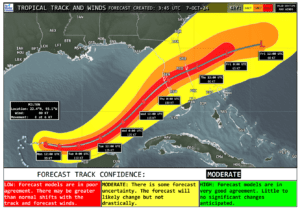
A clear and concise visualization of the storm’s anticipated impact
The power of mid-term forecasting for operational readiness
Advanced forecasting helps airlines get ahead of seasonal disruptions. The WxMix system delivers insightful and actionable mid-term outlooks, including 3-day tropical forecasts and 7-day winter storm projections. These insights let airlines adjust routes, move crews and aircraft, and prepare before severe weather arrives.
When airlines use these forecasts in aviation planning, they can make smarter choices about schedules, fuel use, and aircraft placement. For example, suppose a winter storm is expected at a key hub. In that case, they can move planes, reassign crews, and alert passengers in advance. If mid-term outlooks show an active hurricane season, airlines can update contingency plans early for the regions most at risk.
Real-time and near-term tools like GRAF and terminal airspace convective risk (TrACR) work alongside mid-term forecasts. They provide hyper-local, short-range updates to support last-minute decisions on flight paths, airport operations, and crew planning. With high-resolution weather intelligence, flight planners can make quick adjustments that keep flights on time and avoid disruptions.
Enhancing flight schedules and airport operations
Weather delays and cancellations cost airlines millions each year.3 That’s why operational efficiency is so important. The Weather Company offers real-time and near-term tools like Maverick™ Dispatch, Pilotbrief®, and Weather Data APIs. These help airlines manage flight schedules and keep airport operations running smoothly. The tools provide live updates on turbulence, storms, and other weather risks, giving dispatchers and pilots the data they need to act fast.
Maverick Dispatch is a flight-tracking tool that gives airlines a clear view of short-term weather risks. It combines real-time meteorological data with flight operations to help dispatchers reroute flights, choose alternate airports, and avoid delays before they grow. The TrACR feature adds hyper-local convective weather forecasts to show what to expect along arrival and departure routes.
It also includes Global Surface Movement (GSM) – a form of advanced airport operations technology – that gives near-real-time visibility into airport surfaces. It tracks aircraft positions, taxiway conditions, and gate availability. By showing where slowdowns might happen, GSM helps airlines cut tarmac congestion, save fuel, and improve turnaround times.
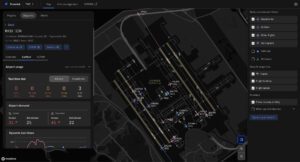
GSM quickly visualizes ramp, taxiway, and runway conditions
Real-world application: How Breeze Airways navigated hurricane disruptions
During the 2024 hurricane season, Breeze Airways used The Weather Company’s aviation tools to manage two major storms that hit Florida. While many airlines faced extended delays, Breeze kept operations intact and returned to service faster.
Using real-time flight tracking and live weather data, the dispatch team monitored aircraft and made quick decisions. They rerouted flights, adjusted schedules, and kept crews and passengers safe. As soon as Tampa and Fort Myers airports reopened, Breeze resumed service and avoided the long delays other carriers faced.
The Breeze case study shows how advanced forecasting helps airlines manage seasonal weather changes. With mid-term outlooks and real-time tools, airlines can make faster decisions, protect passengers, and stay on schedule even during major storms.
Improving passenger safety and comfort
Beyond operational efficiency, weather intelligence is vital for passenger and crew safety. The Weather Company’s Total Turbulence Alerting system gives pilots live updates to adjust altitude and reduce in-flight instability. Tools like Maverick Dispatch and Pilotbrief provide real-time data, which helps dispatchers reroute flights to avoid bad weather.
Turbulence is a growing issue, made worse by a changing climate. With near-term forecasts from GRAF, airlines can reduce in-flight instability and keep passengers more comfortable.
The Weather Company also provides METARs and TAFs – short-range forecasts that give dispatchers the most up-to-date weather before departure. These tools allow dispatchers to monitor developing aviation weather conditions, which helps avoid last-minute delays and cancellations.
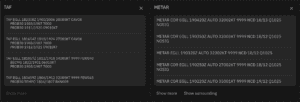
Access forecast conditions and see how the forecast has been changing over time
A smarter approach to seasonal travel
Seasonal travel brings a range of weather risks year round. Airlines that use a layered weather strategy – built on mid-term forecasts and powered by near-term and real-time tools – can increase resilience and reliability.
The Weather Company offers solutions with industry-leading accuracy that include 3- to 7-day outlooks, storm tables, and live systems like Maverick Dispatch. With detailed models and both near-term and real-time data, airlines can plan smarter, react faster, and keep operations running through all kinds of weather.
Let's talk
To learn more about our advanced aviation weather solutions, contact our aviation experts today.
Contact usRelated resources
1 ForecastWatch, Global and Regional Weather Forecast Accuracy Overview, 2021-2024, commissioned by The Weather Company
2 University of Reading, Evidence for Large Increases in Clear-Air Turbulence Over the Past Four Decades, 2023, based on research published in Geophysical Research Letters by Prosser et al.
3 The Weather Company, The impact of weather on international aviation, 2025
Weather forecasts shape critical decisions daily. From planning your morning commute to optimizing global supply chains — forecast accuracy isn’t just preferred, it’s essential.
But what does better accuracy actually mean for those who depend on it? Let’s look at the real-world impact across industries and why The Weather Company continues to earn recognition from business leaders for its proven accuracy1, technological innovation, and scalable solutions.
Advertising: Turning weather science into marketing ROI
 Consciously or subconsciously, weather influences every aspect and decision of people’s lives – how we feel, what we try, and what we buy. Even a 1 °C increase in temperature can boost consumer spending by 1.2%.2
And it adds up: The National Retail Federation estimates that weather affects about $1 trillion in global sales annually.3 When it comes to delivering a brand message in the right moment, to the right people, the precision and accuracy of weather-targeted advertising isn’t just a nice-to-have, it’s a must have.
In today’s cluttered ad environment, where every touchpoint counts, marketers can’t afford to waste budget or an opportunity to drive an action. Take it from Ryan Oliver, Head of Communications at EcoFlow — an emerging leader in portable power solutions: “The Weather Company’s credibility and accuracy helped us reach a highly engaged audience actively seeking solutions for weather-related outages, boosting awareness and interest in EcoFlow’s backup power solutions.”
Aviation: Better forecasts, safer flights
 In aviation, forecast accuracy directly impacts safety, customer satisfaction, and profitability. Weather causes approximately 75% of all flight delays4, costing airlines an estimated $60 billion annually.5 Further, weather conditions are the source of more than 65% of injuries to passengers and crew due to turbulence.
With accurate, probabilistic forecasts, airlines can better anticipate disruptions before they happen — not just react to them. This leads to better, more efficient route planning, reduced fuel consumption, and happier passengers flying smoother skies. Take it firsthand from Nathan Polderman, Sr. Manager of Meteorology, United Airlines: “United Airlines’ operations are greatly enhanced from the accuracy of The Weather Company forecast data and the ability for their meteorologists — embedded in the United Network Operations Center — to quickly adjust and communicate nuances and uncertainties in the forecast. Precise and accurate weather forecasts are critical to United’s efforts to maintain safe and efficient operations and keep customers satisfied.”
Media: Building viewer trust
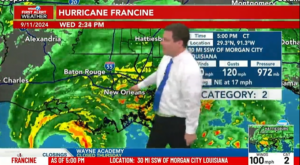 For broadcasters, forecast accuracy isn’t just about ratings — it’s the trust currency that makes viewers reach for their channel first. And in the highly competitive media landscape, trusted weather forecasts directly impact station credibility.
Consistent, accurate forecasts strengthen viewer loyalty and position the broadcast team as the authoritative weather source, whether nationally or locally. As Patrick Bigbie, Chief Meteorologist, WDAM-TV, puts it: “The Weather Company’s GRAF model is the first one I check each day when building my forecasts and presentations. I find it very reliable and trustworthy enough to share with my viewers.” Mark Nelsen, Chief Meteorologist at KPTV & KPDX Television, adds: “We’ve been using The Weather Company’s GRAF model for over five years now. Its accuracy is remarkable and I’ve learned not to second-guess it since it usually proves me wrong.” GRAF, a proprietary global weather modeling system, is just one of the many forecasting technologies built and used at The Weather Company to drive the accuracy of our weather forecast portfolio.
Government & defense: When missions and lives are at stake
 In defense operations, even minor deviations in weather forecasts can compromise asset deployment, technological capabilities, and personnel safety.
With weather intelligence that accurately predicts weather conditions on the ground and in the air, military personnel teams can better prepare for the operating conditions they’ll face in the field. This preparation allows for tactical adjustments that create strategic advantage. When adversaries rely on less accurate or incomplete information, your enhanced weather awareness becomes a decisive operational edge.
Not all forecasts are created equal
Many claim it, but only one forecaster can prove it: The Weather Company is the world’s most accurate forecaster.6 Delivering this level of accuracy doesn’t happen by chance. It requires a unique approach to weather forecasting that only The Weather Company has pioneered and continues to perfect.
Since our inception nearly five decades ago, we’ve combined human, meteorological expertise with proprietary, state-of-the-science technologies and AI to provide accurate forecasts and scalable solutions for people and businesses alike. And with that accuracy comes trust – trust that has earned us the distinction of being the most trusted weather provider and one of the top 15 most trusted brands among all adults in 2025.7
Solutions to thrive in the face of impactful weather
Accurate weather data helps instill confidence, drive decision-making, and propel the world forward. That’s why we’re committed to continuous innovation of current and future solutions, including:
- Weather Data APIs: We deliver real-time and historical weather data that provides high-resolution, continuously-updated, and hyper-local intelligence.
- Consumer experiences: Consumer experiences: We’re trusted by more than 330 million people each month across all digital properties, including weather.com and The Weather Channel app.8 The Weather Channel app stands as the #1 most downloaded weather app in the U.S, a daily habit for over 50 million people.9
- Enterprise solutions: Our solutions power decisions for 2,000+ enterprise customers across media (600+ broadcast stations), aviation (25,000+ flights per day), government, defense, agriculture, insurance, automotive, retail, CPG, pharma, energy, and beyond.
The best of both worlds: Human expertise + AI precision
We combine human meteorological expertise with advanced AI to create forecasting capabilities that neither could achieve alone:
- Human-guided, AI-powered approach: 100+ meteorologists collaborate with our AI systems through a “human over the loop” model, combining decades of expertise with cutting-edge technology to deliver fresh, precise, more accurate, and actionable forecasts.
- Scientific collaboration: Our ongoing work and dialogue with the broader scientific community includes NCAR, UCAR, and NOAA, accelerating our innovation while advancing capabilities for everyone.
- Technological rigor: We process 75+ billion terabytes of data daily across 100+ forecast models to create 25+ billion personalized, on-demand forecasts for 2.2 billion global locations. As part of that technology stack, our proprietary, high-precision weather modeling system, GRAF, provides hourly updates that can predict events as small as a thunderstorm virtually anywhere on the planet.
When weather shapes decisions, accuracy is the only option
For decisions that affect people and businesses everywhere, you need forecasts you can count on every time.
The question isn’t whether you can afford accurate weather intelligence, but whether you can afford to be without it. It’s your turn: Discover how our unmatched forecast accuracy can transform your business outcomes.
Let's talk
To learn more about harnessing the power of weather to make better, more informed decisions across industries, contact our experts today.
Contact usRelated resources
1 6 ForecastWatch, Global and Regional Weather Forecast Accuracy Overview, 2021-2024, commissioned by The Weather Company
2 3 LinkedIn: Raja Rajamannar, Weather Wizards: How Marketers Can Harness the Elements for Unprecedented Success, September, 17, 2024
4 FAA: FAQ Weather Delay
5 Cosmos, The Cost of Delays, Feb. 2025
7 According to a 2025 Morning Consult “Most Trusted Brands” survey
8 Based on the average of the total monthly (non-unique) users for Jan. – Dec. 2024 across The Weather Company digital properties and consumer products, according to internal, global data
9 According to Top Downloadable Weather Apps in 2024 in the US (by Downloads), from Sensor Tower (Jan. 1 – Dec. 31, 2024)
Key takeaways
- Weather intelligence can offer a strategic edge for QSRs facing rising tariffs and supply chain pressures.
- Weather data paired with sales and supply chain data can help identify seasonal consumer behavior shifts to better inform and guide menu planning.
- Targeted weather-based promotions can help drive efficient customer engagement during economically sensitive periods.
- The combination of weather and supply chain insights supports agility and operational efficiency in tariff-impacted markets.
The quick service restaurant (QSR) market operates in a pressure cooker, constantly balancing customer demand, operational efficiency, and fluctuating costs. Now, throw in the uncertain impact of tariffs, which can impact ingredient prices, supply chain stability, and even consumer spending habits. In this volatile environment, QSRs need every advantage they can get.
%
of US adults are likely to cut back on fast-food if tariffs lead to higher prices1
Think about the ripple effects of tariffs and food prices. Increased costs for imported ingredients might require menu adjustments or price increases. This, in turn, could influence customer choices. Simultaneously, weather continues its relentless cycle, impacting everything from foot traffic, to ingredient availability, to delivery demand. Smart QSR operators are realizing that understanding the interplay between these economic pressures and weather patterns is the key to staying ahead.
The strategic advantage: Weather intelligence in a tariff-sensitive market
While you can’t control global trade policies, you can control how you leverage data to navigate the resulting challenges. And one of the most powerful, often overlooked, data sources is weather intelligence. Imagine this: Tariffs drive up the price of a key ingredient for your popular summer menu item. You need to pivot. Weather intelligence can help provide crucial insights:
- Demand forecasting for alternatives: If the cost of imported beef for burgers increases, you might consider promoting chicken or vegetarian options. Weather patterns can help predict which of these alternatives will be most popular in different regions and at different times. For example, a heatwave might drive demand for lighter, non-beef options. In fact, 42% of people say they buy lighter and healthier foods when summer arrives.2
- Optimizing promotions: To offset potential price sensitivity due to tariffs, targeted weather promotions become even more critical. Weather-driven offers can drive traffic during specific times. A “rainy day comfort food” promotion might entice customers even if overall spending is tighter due to economic concerns. This is especially relevant considering that 61% of people choose more convenient food options, like delivery or quick meals, during hot or humid weather.3
 Supply chain agility: Weather and supply chain factors can exacerbate disruptions, especially for temperature-sensitive goods. Granular weather forecasts can help anticipate potential delays and inform inventory management, ensuring you have the necessary ingredients on hand without overstocking (especially important when ingredient costs are fluctuating due to tariffs). For instance, knowing a major storm is approaching a key distribution hub allows for proactive adjustments to delivery schedules.
 Supply chain agility: Weather and supply chain factors can exacerbate disruptions, especially for temperature-sensitive goods. Granular weather forecasts can help anticipate potential delays and inform inventory management, ensuring you have the necessary ingredients on hand without overstocking (especially important when ingredient costs are fluctuating due to tariffs). For instance, knowing a major storm is approaching a key distribution hub allows for proactive adjustments to delivery schedules.
- Menu diversification based on local conditions: Tariff impacts might vary regionally. Weather intelligence can help identify regional preferences for different menu items. If a certain region is experiencing an unusually cold spring, promoting warmer, heartier options might be a smart strategy, regardless of broader economic trends. Remember, 33% of people say spring weather impacts when they order food for delivery.4
The Weather Company: Your navigator through economic and meteorological uncertainty
The Weather Company, the world’s most accurate forecaster5 provides QSRs with the sophisticated tools needed to not only understand weather’s impact but also to strategically respond to the challenges posed by a fluctuating economic landscape:
- Hyperlocal, predictive weather data: Get down-to-the-minute forecasts for each of your locations, enabling more informed adjustments to staffing and inventory in response to immediate weather conditions, which can amplify or dampen the effects of tariff-related price changes.
- Historical weather analytics paired with sales data: Analyze how past weather events and periods of economic change (like previous tariff implementations) impacted specific menu item sales. This dual-layered analysis provides deeper insights for future planning – perfect for streamlining QSR operations.
- Targeted marketing powered by weather: In a tariff-conscious market, highlighting value is key. Use weather conditions to promote family meal deals on stormy evenings or discounts on less expensive menu items during periods of economic uncertainty – boosting customer engagement in restaurants.
- Operational optimization for cost efficiency: Efficient delivery routes based on real-time weather can help save on fuel costs, a crucial factor when other operational expenses might be rising due to tariffs. Accurate staffing based on weather-driven demand prevents overspending on labor during slow periods.
%
of executives say weather has a moderate or high impact on their business6
Thriving in the face of change: QSR resilience powered by weather intelligence
The QSR industry has always been about adapting to customer needs and market conditions. In an era marked by both a changing climate and economic headwinds like tariffs, the ability to leverage data for informed decision-making is key. Weather intelligence from The Weather Company isn’t just about predicting rain; it’s about providing a strategic lens through which QSRs can better understand customer behavior, optimize operations, and ultimately, build resilience in the face of any challenge.
Ready to equip your QSR business with the intelligence to help navigate both meteorological and economic storms? Discover how The Weather Company can be your strategic advantage.
Let's talk
Contact our experts today to discover how weather data can empower your decision-making and strengthen your business resilience. Let us help you transform weather data into a strategic asset for your business.
Contact usRelated resources

1 CivicScience, February 2025
2 3 The Weather Company, Summer 2023 Behavior Survey, March 2023
4 The Weather Company, Spring 2022 Behavior Survey, December 2021
5 ForecastWatch, Global and Regional Weather Forecast Accuracy Overview, 2021-2024, commissioned by The Weather Company
6 The Weather Company (in collaboration with Magid), Weather Means Business Report, October 2024
Key takeaways
- Aviation supply chain challenges are intensifying amid escalating tariffs and changing weather conditions.
- Weather intelligence plays a pivotal role in helping airlines mitigate maintenance delays and operational disruptions.
- The impact of weather on aviation extends beyond turbulence to component wear, inspections, and downtime.
- Accurate aviation weather information is essential for proactive route planning, resource allocation, and resilience building.
The aviation industry is bracing for a potential storm of escalating tariffs, and while increased costs are a concern, the real turbulence may lie elsewhere. According to Ravi Vanmali, VP of Aviation at The Weather Company, one of the most significant aviation supply chain challenges will likely be the growing fragility of the global aircraft parts network. As Ravi explains, “From our perspective, the most significant impact is in the intricate global supply chain of aircraft parts.”
Adding to these concerns is the possibility of retaliatory tariffs impacting the movement of aircraft themselves. The potential for the return of aircraft introduces significant uncertainty in airline fleet management and expansion. Ravi points out, “These uncertainties in aircraft movement only amplify the existing concerns around access to critical spare parts due to tariffs.”
%
of executives say weather significantly impacts supply chains, risk management, and customer interactions1
The weather wildcard: Amplifying maintenance challenges in a tariff climate
This disruption in the parts supply chain takes on a new level of significance when coupled with the growing impact of weather on aviation due to more intense weather patterns. Consider this:
Severe weather and increased wear and tear: Severe weather, turbulence, and dust can accelerate wear and tear leading to increased maintenance. If replacement parts are delayed or unavailable due to tariffs and supply chain disruptions, the consequences can be significant.
Hard landings and mandatory inspections: Hard landings, which can be triggered by challenging weather conditions, require mandatory inspections and potential repairs. When access to parts is constrained, grounding an aircraft for extended periods becomes a far greater operational and financial risk.
Airlines at a crossroads: Integrating weather into strategic planning
According to Ravi, potential tariff impacts and erratic weather conditions will drive a significant shift in airline operations. “From what we’re seeing,” Vanmali notes, “operations teams will need to increasingly integrate detailed weather outlooks into the planning phase of flight operations.” He emphasizes that “this proactive consideration of weather risks will allow airlines to make more informed decisions about scheduling and routing,” ultimately bolstering their resilience in a challenging environment.
The importance of accurate weather intelligence
In this evolving landscape, the need for the most accurate and reliable weather information becomes paramount. This is where aviation solutions from The Weather Company, the world’s most accurate forecaster,2 can play an even more critical role in operational resilience. Our recent research confirms the vital role of weather intelligence in airline operations. In fact, 100% of airline executives surveyed affirm its value to their business.3 They specifically cite using it for:
- Informing route planning
- Planning supply and fuel levels according to anticipated weather conditions
- Supporting disaster preparedness and response planning
- Enhancing customer engagement through personalized weather-related communications during travel disruptions
%
of travel executives report that weather has impacted revenue and operating costs by over 50% in the past year4
Meeting critical needs of modern airlines
This reliance on weather intelligence, already crucial, becomes even more pronounced in an era of tariff-related supply chain vulnerabilities. Airlines are seeking solutions that:
- Aggregate multiple data points into a single operational tool for use pre-flight and en route.
- Include a comprehensive range of aviation weather information, including wind, turbulence, visibility, icing, lightning, convection, precipitation, volcanic ash, jet stream shifts, NOTAMs, and Airspace Restrictions.
- Accurately predict weather patterns ahead of flight times.
- Offer filtering by weather type and precise location, with real-time updates.
The Weather Company’s aviation solutions can help meet these critical needs and navigate both weather and tariff-related challenges, including:
- Reliable and actionable weather insights: High-resolution forecasts offer the accuracy needed to help make informed decisions about routing and scheduling. These insights help to enhance flight safety and operational efficiency while minimizing the likelihood of encountering severe weather that could result in increased maintenance and costs.
- Long-range outlooks for strategic planning: Integrating longer-term weather outlooks into the planning phase allows airlines to proactively identify potential periods of heightened weather risk and adjust schedules accordingly. This helps improve overall safety and mitigates the chances of preventable repairs.
- Real-time alerts and monitoring: Our timely weather alerts enable quick flight and operational adjustments to reduce disruptions while maintaining safety.
- Historical weather data for risk assessment: Weather and maintenance data analysis helps identify high-risk routes and seasons, improving safety and fleet deployment.
Building resilience in a tariff-sensitive environment
Airlines need a new level of operational agility and foresight to handle tariffs, supply chain uncertainties, and weather risks. Advanced weather intelligence helps reduce repairs, ease maintenance amid parts shortages, and build operational resilience.
%
of executives plan to increase or maintain their use of weather intelligence in the coming years5
The Weather Company is here to provide the actionable weather insights you’ll need to navigate this new era. Together, we can help your business thrive in the face of evolving global challenges.
Let's talk
To learn more about our advanced aviation weather solutions, contact our aviation experts today.
Contact usRelated resources
1 3-5 Weather Means Business report, October 2024, Magid for The Weather Company
2 ForecastWatch, Global and Regional Weather Forecast Accuracy Overview, 2021-2024, commissioned by The Weather Company
Key takeaways
- More than 360 million people rely on The Weather Channel’s digital properties1 for decisions ranging from daily activities to major life choices, such as where to live and what vehicle to drive.
- Weather insights and data science offer businesses a competitive edge by enabling them to anticipate and influence consumer behavior and optimize operations.
- According to recent research, 100% of executives say weather intelligence can give their business a competitive edge.2
- Proactive weather strategies help businesses reduce environmental risks, capitalize on emerging revenue opportunities, and improve operational efficiency.
In an age where weather isn’t just small talk but instead, the headline, the impact of changing weather patterns on people and businesses is more significant than ever. From everyday weather conditions to extreme temperatures, the environment is now a critical factor driving strategic decision-making in everything from supply chain management to consumer engagement. As global temperatures continue to rise, businesses need to see the opportunity weather presents. At The Weather Company, we help businesses use weather intelligence to drive business resilience, growth, and competitive advantage.
Adapting at the speed of weather
We’ve all seen it. The world is witnessing unprecedented changes in weather patterns. This intensifying weather volatility is fueling more frequent extreme weather events and economic upheavals.
As a result, keeping tabs on the weather has made The Weather Channel digital properties a habitual touchpoint for over 360 million monthly average users1 worldwide. This widespread reliance shows the powerful influence of weather on consumer behavior. In 2023 alone, Adobe projected that weather would influence over $13.5 billion (about $42 per person) in U.S. e-commerce sales3 — the equivalent of an extra Cyber Monday.
The message is clear — businesses need to evolve from reactive to proactive, weaving weather data deeply into their strategic fabric.
Climate Week Spotlight
Thriving in the face of a changing climate
Sheri Bachstein, The Weather Company President, and Peter Neilley, The Weather Company SVP of Science & Forecasting Operations, share insights on how people and businesses can improve weather resilience in this Climate Week NYC 2025 interview.
The power of a weather strategy
So, what exactly is a weather strategy? A weather strategy is a savvy, data-driven approach that harnesses the power of cutting-edge weather data science and AI to optimize business processes, personalize marketing efforts, and gain an enterprise advantage. It’s about transforming weather from a risk factor into a strategic ally.
According to a recent research study of nearly 300 executives across the retail, CPG, pharmaceutical, insurance, and travel & tourism industries:
%
said that weather intelligence could give their company a competitive advantage2
%
believe that leveraging weather insights as a service provides greater value than relying solely on raw data2
%
say incorporating advanced weather analytics could enhance their ability to anticipate and respond to market fluctuations2
%
recognize enhanced weather insights as a powerful tool for driving revenue growth and reducing costs2
%
of pharma executives say using weather insights effectively can help them be better at their job2
%
of CPG executives will increase or continue their use of weather intelligence in the coming years2
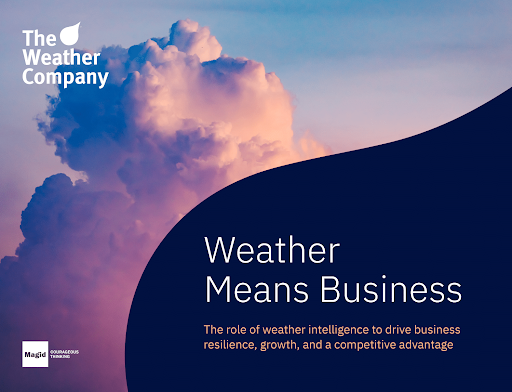
Download our free and exclusive Weather Means Business report to learn how smart businesses are transforming their enterprise strategies with innovative weather intelligence.
Get your copyFuture-proof your business with The Weather Company
As businesses look to the future, integrating weather intelligence into long-term planning is a must. At The Weather Company, we offer unparalleled forecasting capabilities and weather intelligence that enable businesses to thrive in the face of changing weather patterns. With over 40 years of expertise in weather data science, we’ve become the world’s most accurate forecaster,4 a distinction that sets us apart from other providers. Our commitment to innovation and accuracy has earned us the trust of consumers and businesses around the globe.5
Beyond accurate forecasts, we provide scalable, proven solutions for consumers and businesses alike. Businesses tapping into these weather insights will be better positioned to anticipate consumer needs and tailor their offerings.
- Our weather intelligence platform and AI provide the precision and scalability your business process optimization needs to stay ahead.
- Weather Targeting enables advertisers to deliver personalized, relevant messaging that resonates with their audience in real time across the digital ecosystem.
- Premium consumer experiences across The Weather Channel digital properties help marketers engage with consumers at scale in meaningful moments to help them live healthier, safer, smarter, and happier.
A robust weather strategy isn’t just a nice-to-have; it’s essential. Let’s work together to create a weather strategy that drives your business forward.
1 360M monthly active users based on the average of the total monthly (non-unique) users for Jan – June, 2023 across The Weather Company digital properties and consumer products (weather.com, The Weather Channel app, Weather Underground app, wunderground.com, Storm iOS app,) according to internal data
2 Weather Means Business report, October 2024, Magid for The Weather Company
3 Adobe Digital Economy Index 2023
4 ForecastWatch, Global and Regional Weather Forecast Accuracy Overview, 2021-2024, commissioned by The Weather Company
5 According to a Morning Consult Q1 2024 survey, The Weather Channel brand was the #13 most trusted brand in the U.S. The surveys were conducted from January 1, 2024 through March 31, 2024, among nationally representative samples of between 1,158 and 35,280 U.S. adults.
Health and wellness marketers have no shortage of challenges. Staying relevant with health-conscious consumers. Navigating strict compliance regulations. Finding ways to stand out and connect with the right consumer in a stacked marketplace – to name a few.
The rewards are there, though, for brands who can break through. The $1.8 trillion global health and wellness market1 only continues to grow. And many of those consumers are turning to the powerful influence of weather to make their health and wellness decisions. That’s one reason why we recently modernized and enhanced The Weather Channel app user experience as well as our AI-powered ad tech and back-end data modeling with an extra emphasis on health and well-being. Which brings health and wellness marketers a unique and relevant set of advertising solutions to fuel brand relevance and growth.
Unpacking the weather-wellness connection
The connection is clear: Habitually checking the weather informs more than how to dress for the elements. Recent research shows that weather inspires action to minimize illness, manage symptoms, and maximize time outside; offers a sense of control on quality of life; and guides purchases to maintain a healthy lifestyle. According to consumers in the study:
%
are focusing more on health and wellness in recent years2
%
use weather information to manage their health, up 33% since 20202
%
are more concerned this year than previous years about at least one health condition2
The go-to health and wellness marketing partner
Your customers realize weather’s impact, so meet them where they are. Trusted, accurate data, innovative AI in weather prediction, and brand-safe, contextually relevant content from The Weather Company, place your brand in the direct path of qualified audiences and their health decisions. Additionally, by understanding the effect of weather on consumer spending, we can better tailor our advertising strategies to influence purchasing decisions that are directly related to health and wellness.
Better accuracy, better engagement, better performance
A constant companion, weather influences daily habits and decisions, sunrise to sunset. But not all weather forecasts are equal. Or accurate. Not only are we the most accurate forecaster3 and one of America’s most trusted brands,4 The Weather Channel is the preferred weather source used by health-conscious consumers to manage health across all conditions.
%
choose The Weather Channel over a competitor2
Since launching new wellness features in The Weather Channel app, we’ve seen 3x higher clicks into our wellness forecast experiences.5 In fact, compared to the legacy app experience, we’re already seeing:
- 11% more stickiness5
- 10% more page views per visit5
- 8% increase in time spent per daily active user5
This preference for, and engagement with, our digital channels means more reach and a higher likelihood of campaign success. But beyond the lure of our new features, the instability and volatility of Mother Nature herself means more eyeballs, more often, on the forecast.
IQVIA-validated health audiences
IQVIA, a leader in healthcare intelligence, utilizes rich prescription data to provide insights into the types of visitors on digital platforms. Our new IQVIA partnership has validated that The Weather Channel’s platforms effectively reach qualified health audiences across over 60 health conditions. Notably, we connect with 47% of U.S. psoriasis patients, which over indexes the general population by 32%.6 This collaboration validates our ability to deliver health content to audiences most likely to be treating health conditions and wanting to learn about weather’s impact on their symptoms.
Brand-safe sponsorships
Get your brand seen in the well-placed context of weather information and health resources through sponsorships on our digital properties.
Content sponsorships: With the latest enhancements to The Weather Channel app, we’ve re-imagined the experience to emphasize the weather-to-wellness connection. New editorial sponsorship opportunities help you align your brand with premium, health-related articles and video content created by award-winning journalists and verified by medical reviewers. Trusted advice and resources cover psoriasis, eczema, weight loss, type 2 diabetes, asthma, COPD, arthritis, stress management, aches and pains, and migraines.
Forecast sponsorships: Health-conscious consumers have access to a range of customized forecasts and tools designed for allergies, skin care, colds and flu, headaches and migraines, body aches, and respiratory health. These forecasts use weather data, AI, and insights to help predict how symptoms might change in the coming days and week.
%
check weather proactively for preventative health measures2
We put weather into action to give your audience information and insights that help them ultimately live healthier, happier, safer, and smarter.

CVS reaches 42 million consumers in moments that matter with the Flu Insights Tracker
Read the case studyAnticipate consumer needs with actionable data signals
By using weather data to inform when and where consumers’ health will be impacted, health marketers can tap into unified, scaled, and predictive signals to help to find and connect with qualified audiences and influence health outcomes.
Weather Targeting
Deliver hyperlocal, targeted, personalized health ads by leveraging an intelligent mix of weather data and health data, including:
- OTC/prescription sales from IQVIA
- anonymized patient reports and aggregated insurance claims reports from Merative
- weather science to identify the optimal mix of environmental elements most likely to exacerbate health conditions at a ZIP code level
Audience Targeting
In healthcare marketing, privacy is paramount. Find and connect with your audience using demographic look-alikes with a propensity for specific conditions. These representative audience models are based on:
- behaviors and insights from The Weather Channel digital properties, including site interests and frequent locations viewed
- anonymized health claims data
- CDC and other third-party sources
M+
monthly global The Weather Channel app users6
Beyond the marketing department
Make weather your business. The Weather Company can help you improve strategies, operations, and profitability across the enterprise. Yes, the same company that uses meteorological expertise and technology to help keep millions of people safe and informed about the weather also helps thousands of businesses increase the bottom line.
Weather Data APIs
Integrate reliable weather data directly into your enterprise applications, business processes, or own custom models. Both weather data and insights are available via APIs with flexible integration services.
Competitive advantage is in the forecast
The influence of weather on daily health and wellness choices isn’t slowing down. Marketers need ways to stand out in a crowded, challenging market. Fortunately, as weather, data, and health continue to intersect, you can trust The Weather Company’s advertising solutions to help you create purposeful, relevant connections and better outcomes for both consumers and your business.
Let's talk
What’s your weather strategy? To learn more about harnessing the power of weather to increase engagement and drive growth, contact our advertising experts today.
Contact usRelated resources
1 The trends defining the $1.8 trillion global wellness market in 2024, McKinsey, January 16, 2024 Article
2 Weather and Health Impact Study, Sago for The Weather Company, health-affected consumers, March 2024
3 ForecastWatch, Global and Regional Weather Forecast Accuracy Overview, 2021-2024, commissioned by The Weather Company
4 According to a Morning Consult Q1 2024 survey: The Weather Channel brand was the #13 most trusted brand in the US. The surveys were conducted from 1/1/2024 through 3/31/2024, among a nationally representative sample of 1,158 and 35,280 U.S. adults
5 Amplitude, April-July 2024
6 According to Comscore, The Weather Channel was the largest provider of weather forecasts worldwide (web and app) in 2022 based on the average of the total monthly unique visitors. Comscore Media Metrix®, Worldwide Rollup Media Trend, News/Information – Weather category incl. The [M] Weather Channel, The, Jan-Dec. 2022 avg.