The latest GRAF® weather model improvements
Continue reading

Subscribe
We’re glad you’re here! Subscribe today to receive expert insights, event details, and product news by email.
By signing up, you consent to receiving communications from The Weather Company. You can unsubscribe anytime here or by clicking the unsubscribe link in each email. To learn more about how we handle your data, visit our privacy policy.
Key takeaways
- Prioritize cognitive load reduction with Maverick Dispatch: Consolidating disparate weather tabs, NOTAM feeds, and alert systems into a single ASD platform reduces mental fatigue, eliminates desktop clutter, and speeds up operational decision-making.
- Embrace out-of-the-box UX to slash training: Moving away from heavy manual interface customization to Maverick’s standardized, intuitive UI allows new dispatchers to get up and running in 30 minutes rather than days.
- Demand agile SaaS innovation: Enterprise aviation software no longer needs to move slowly. Partnering with vendors operating on rapid sprint cycles ensures desktop tools like Maverick Dispatch evolve alongside changing operational needs.
Every year, The Weather Company hosts an invite-only Aviation Conference — a two-day collaborative summit bringing together flight operations executives, dispatch leaders, and technology innovators. Designed to educate, inform, and foster open dialogue between current and prospective clients, the event serves as a launchpad for the future of aviation technology.
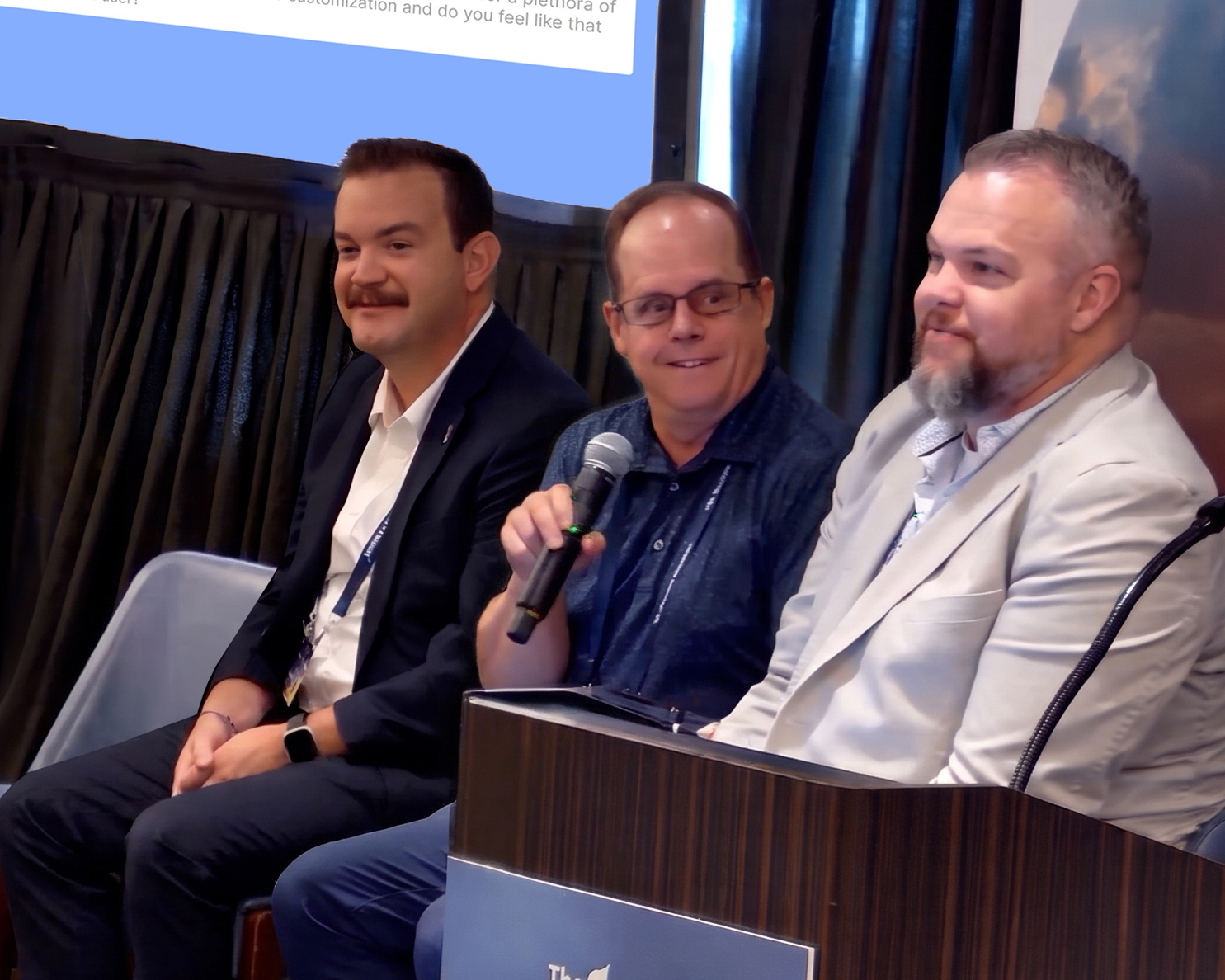
A centerpiece of this year’s conference was the Maverick Dispatch™ Partner Panel, which brought together flight operations leaders across network and regional carriers.
Together, we explored how moving from legacy Aircraft Situational Display (ASD) platforms like Fusion to Maverick Dispatch™ — the cloud-native flight following platform from The Weather Company, formerly WSI — is reshaping operational workflows, reducing training footprints, and setting a new standard for vendor agility. Here are the key operational themes and strategic insights that emerged from the stage from three of our client participants.



1. The push to eliminate “37 open tabs”: Tackling dispatcher cognitive load
A dominant theme throughout the panel was the psychological and operational toll that software fragmentation places on flight dispatchers. In many operation control centers, dispatchers regularly monitor anywhere from 10 to 12 distinct software applications simultaneously across multi-monitor setups.
When a dispatcher must bounce between independent platforms for radar, turbulence forecasts, ACARS communications, flight tracking, and NOTAM updates, operational friction mounts — and cognitive fatigue sets in.
By bringing alerting, weather visualization, and route building into a single pane of glass, operators can shift their focus from tool navigation to proactive decision-making.
That shift from active system management to passive, effortless awareness was echoed across regional desk operations:
2. Debating legacy systems “built for the Wright brothers”
One of the liveliest moments on stage was an unscripted debate over how airlines view legacy platforms that have anchored flight operations desks for over two decades. While legacy software like Fusion built a strong reputation for deep customization, panelists clashed over whether legacy architecture can keep pace with modern operational demands.
Other panelists offered a more measured perspective, emphasizing that while legacy platforms served the industry reliably, modern web architecture is required to unlock real-time innovation.
Summarizing the strategic shift, Alan used a compelling analogy to capture why airlines are looking beyond legacy tools:
3. High-value visual innovations: Smart NOTAMs, 3D layers, and Global Surface Movement
When asked to highlight their favorite features in Maverick Dispatch, the panelists focused on features that transform complex tabular data into intuitive visual context.
Historically, text NOTAMs were notoriously painful to go through, often burying dispatchers and pilots. Visualizing active closures and constraints directly on map layers represents a major leap forward.
4. Slashing training hours from 8+ hours to 30 minutes
Beyond desk efficiency, legacy software presented a major burden to corporate training departments. Because legacy systems allowed infinite manual interface customization, instructors had to spend hours teaching trainees how to build custom map views, configure color themes, and set up desktop profiles from scratch.
By standardizing map elements and removing legacy setup complexity, training shifts away from software management to operational decision-making.
5. Customization vs. standardization: Finding the product sweet spot
The conversation around training led directly into a debate about software customization. Is infinite customizability a feature or a flaw?
Representatives from our product team, including myself, joined the discussion, explaining that Maverick intentionally dialed back user preferences to avoid the visual confusion common in legacy tools — where two dispatchers sitting side-by-side might look at wildly different interfaces.
I touched on why we made specific design choices for Maverick early on. We intentionally put less customization into Maverick to start because we heard that often when you’re looking at Fusion, it sometimes looks like different applications between different dispatchers and it’s hard to visually look over someone’s shoulder or take something over. From a product perspective, I did want to tone back some of the customization just because it was getting unwieldy at times.
The airline panelists largely supported this standardized, out-of-the-box design:
Another panelist put a fine, humorous point on why retiring infinite color palettes is a welcome change:
6. Agile sprints and rapid innovation
In enterprise aviation, vendor relationships have historically been slow and rigid, with minor software enhancements taking years to deploy. The panel cited The Weather Company’s agile development cadence — featuring bi-weekly development sprints and direct customer input—as a standout differentiator.
Expanding on that collaborative dynamic, Garrett emphasized the value of having a vendor that actively listens:
Co-creating the future of aviation tech
The lively debate and honest feedback shared during the Maverick Dispatch Panel highlighted what makes The Weather Company’s annual Aviation Conference so vital. It isn’t just a venue to showcase software — it’s a collaborative forum where flight operations leaders actively shape the tools they rely on every day.
As web-native technology, 3D weather visualizations, and real-time surface tracking continue to mature, the shift away from legacy platforms is accelerating. The breakthroughs shared at this year’s conference prove that when software development moves at the speed of airline operations, the entire industry benefits.
Let's talk
To learn more about how Maverick Dispatch can reduce cognitive load and streamline training across your flight operations desk, contact our aviation experts today.
Contact us